
What to do right now
- Turn off power to wet ceiling lights and fans at the breaker. Don't touch fixtures with water in them.
- Shut off the water if the source is plumbing: the main valve, or the supply to the toilet, tub or appliance upstairs.
- Catch the water. Buckets, towels and a tarp on the floor. Move furniture, rugs and electronics out of the way.
- Relieve a bulging ceiling carefully. If drywall is sagging with water, poke a small hole at the lowest point over a bucket so it drains instead of collapsing. Stay out from underneath.
- Photograph everything before anything is moved: the ceiling, the source upstairs and every wet item.
- Start drying within 24 to 48 hours. Wet insulation above the ceiling holds water and grows mold.
- Report the claim. Note what caused the leak if you know it.
Is it covered?
Coverage depends on where the water came from.
- Plumbing upstairs: a burst supply line, an overflowing tub or toilet, or a failed appliance is usually covered as sudden water damage.
- A storm-damaged roof: often covered when wind, hail or a fallen tree opened the roof.
- A worn roof or slow drip: usually excluded as wear and tear or repeated leakage.
- An attic AC drain pan overflow: often covered when sudden, but not the AC unit itself.
Your deductible applies, and the pipe or part that failed is usually not covered.
Find the source fast
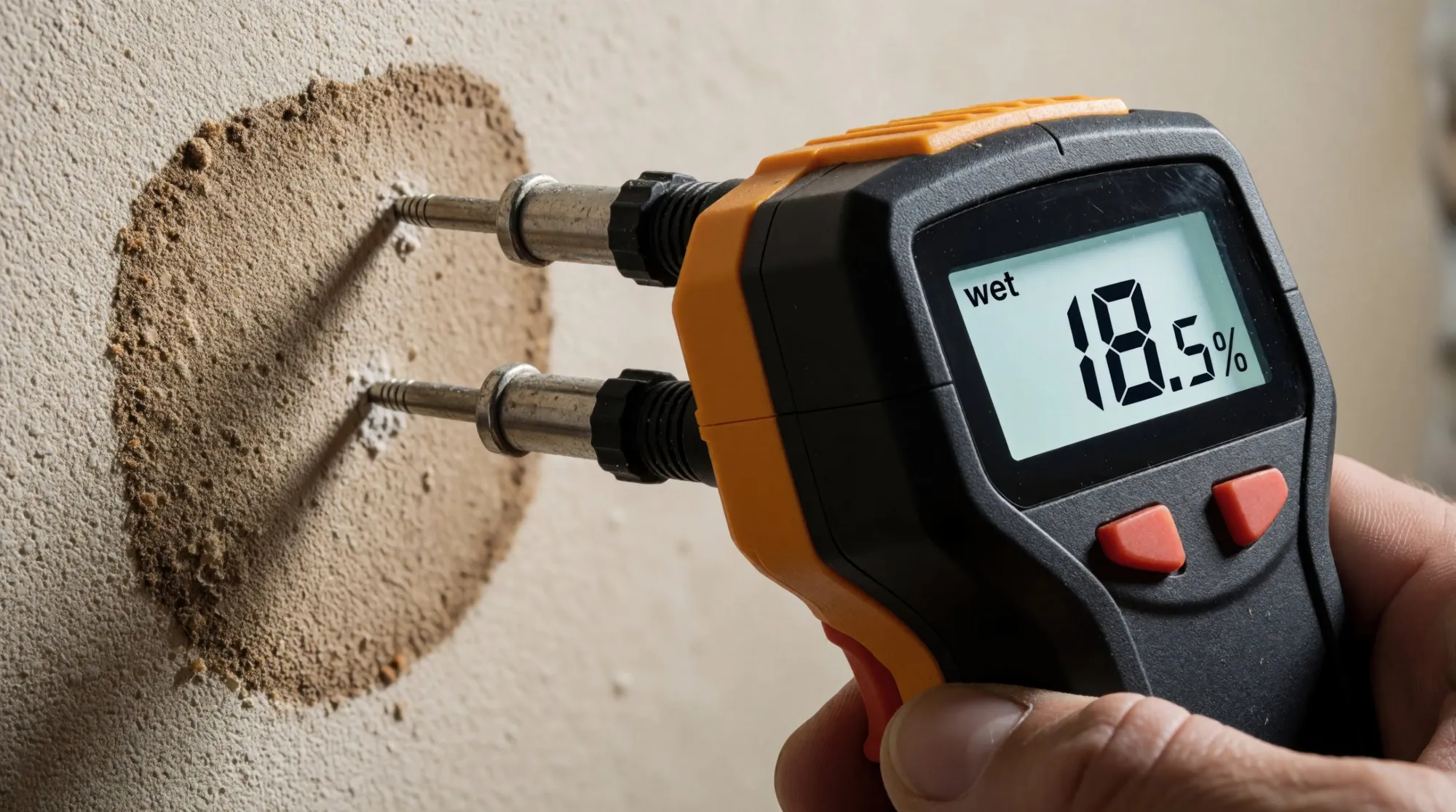
Water travels along joists and pipes before it drips, so the wet spot isn't always under the leak. Check the bathroom, laundry or kitchen above, the attic and the roof. A plumber or water damage company can trace it with moisture meters and thermal cameras.
What the adjuster will look at
The cause and how long it was leaking. Fresh staining and a clear failure point read as sudden. Layered rings, rot or mold read as long-term. Photos taken right away and the failed part help show what happened.
Common questions
Is a leaking ceiling an emergency?
Yes, if water is still coming through or the ceiling is sagging. Shut off the water and power to the area and get it drying.
Does homeowners insurance cover a ceiling leak?
Often, if a pipe burst or something overflowed suddenly. Leaks from an old roof or a slow drip usually aren't covered.
Will the ceiling need to be replaced?
Wet drywall can sometimes be dried in place. Sagging, stained or moldy sections are usually cut out and replaced.