
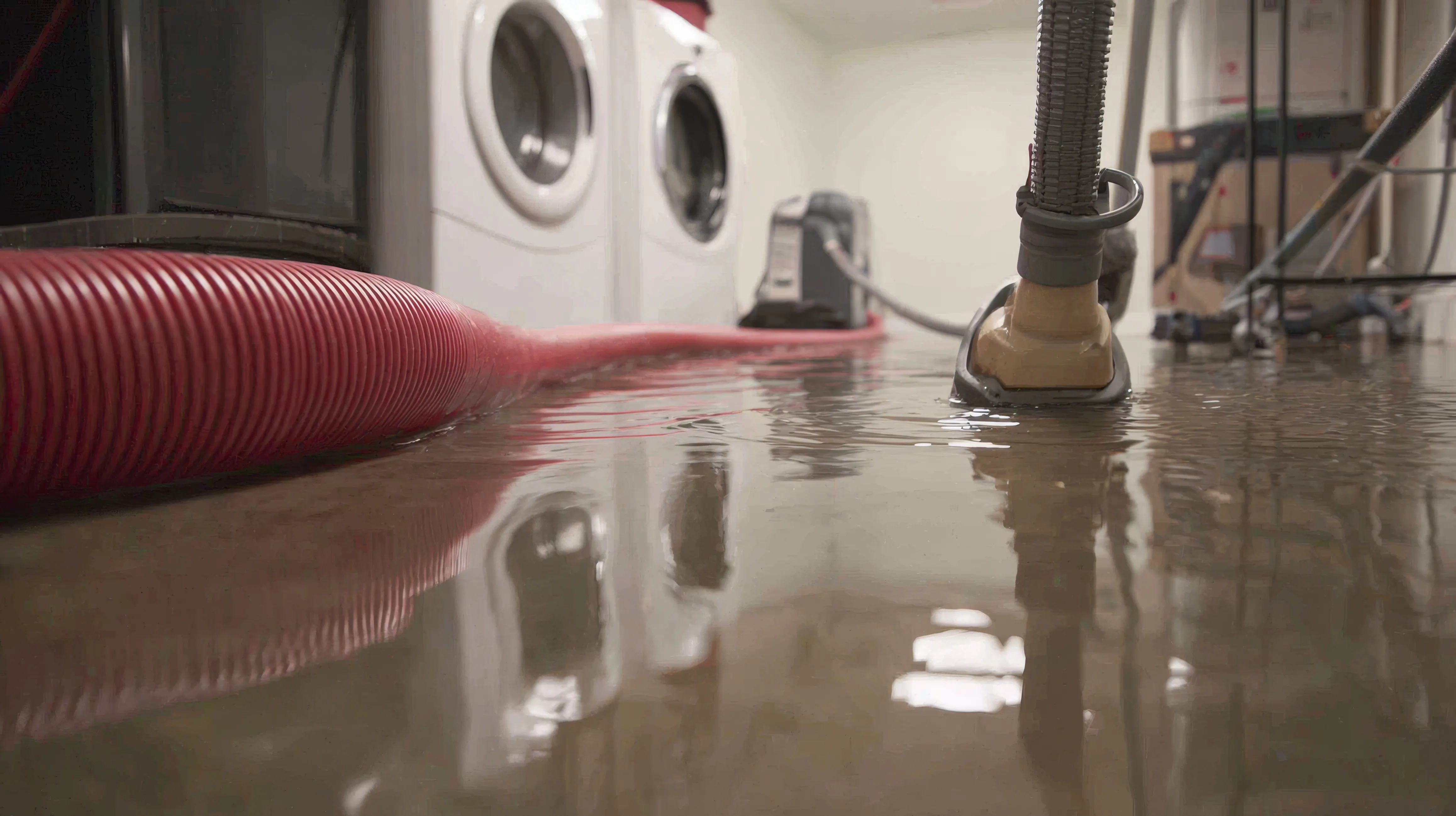
What to do right now
- Shut off the water to the appliance. Washers have two valves on the wall behind them. Dishwashers usually have a valve under the kitchen sink.
- Unplug the machine if you can do it without standing in water. Otherwise, turn off the breaker.
- Photograph the hose, the connection and the damage before you pull the machine out.
- Keep the failed hose or part. The adjuster may want to see it.
- Check below. Laundry rooms and kitchens often sit over finished ceilings or basements. Look for stains or drips on the floor below.
- Start drying within 24 to 48 hours, including under cabinets and behind the machine.
- Report the claim.
Is it covered?
When a supply hose bursts or a connection suddenly fails, most homeowners policies cover the resulting water damage: flooring, cabinets, drywall, ceilings below and damaged belongings, minus your deductible.
What's usually not covered
- The appliance or the hose. Replacing the washer, dishwasher or a worn hose is maintenance.
- Slow, repeated leaks. Rotted subfloor or warped cabinets from a drip that went on for months are often excluded.
What the adjuster will look at
Whether the leak was sudden or slow. A burst rubber hose with water across the floor reads as sudden. Soft, stained subfloor under the machine reads as long-term. Photos taken before anything is moved help show what happened.
Prevent the next one
Swap rubber washer hoses for braided stainless steel, replace them every five years, and consider a leak sensor or automatic shutoff valve.
Common questions
Does insurance cover a washing machine leak?
Usually, if a hose or connection failed suddenly. Damage from a slow leak over time often isn't covered.
Will insurance replace my washer?
Usually not. Coverage is for the water damage, not the appliance that failed.
What about the ceiling below?
Water damage to rooms below is usually part of the same claim.