
What to do right now
- Turn the shutoff valve behind the toilet clockwise until it stops. If it won't turn, shut off the main.
- Lift the tank lid and push the flapper down to stop more water from filling the bowl.
- Check below. Look for drips or stains on the ceiling under the bathroom and turn off power to any wet light fixtures there.
- Treat bowl water as dirty. Wear gloves, keep kids and pets away and don't save soaked rugs or bath mats.
- Photograph the toilet, the floor and the rooms below before cleaning up.
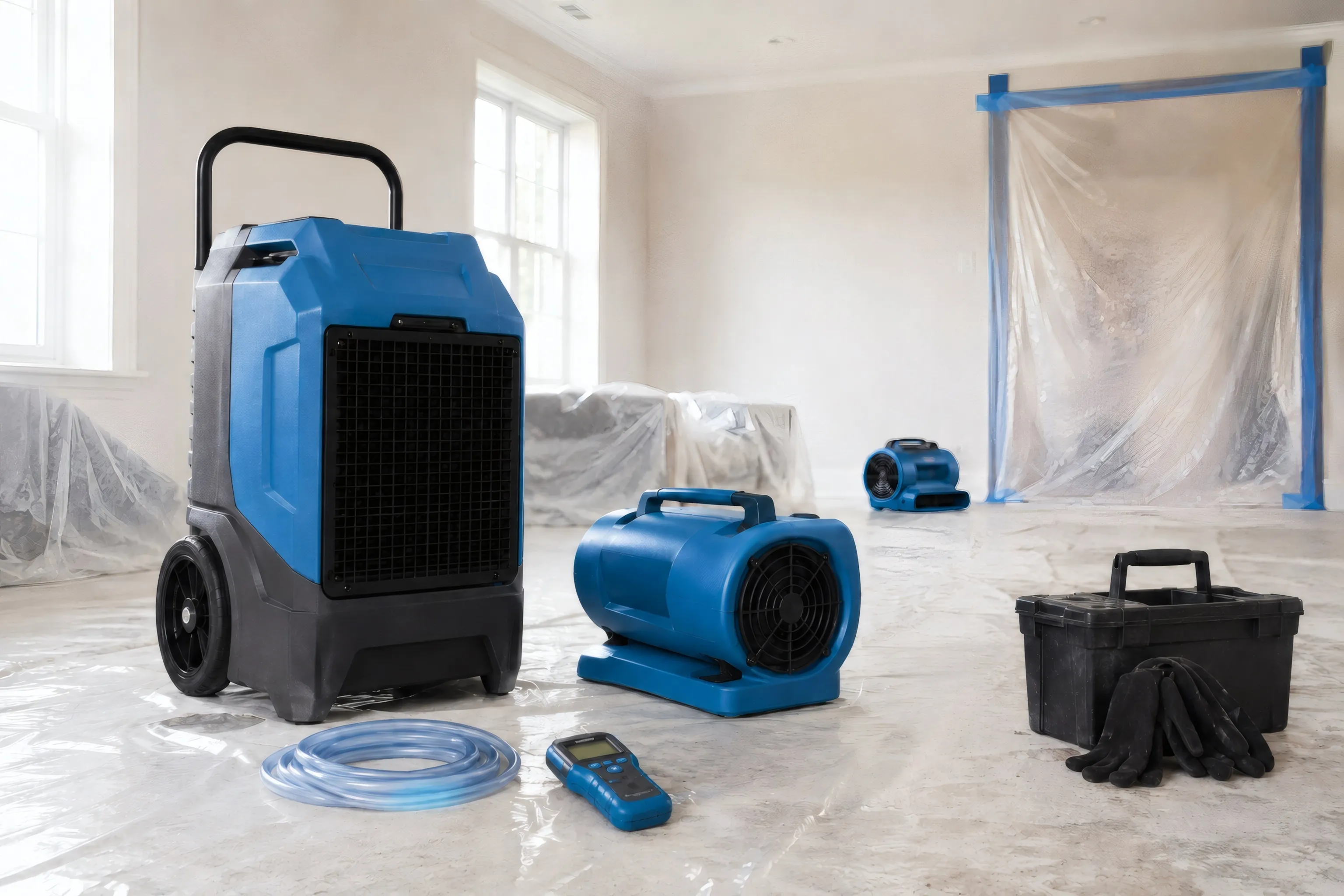
- Start drying within 24 to 48 hours, including under the vanity and the flooring.
- Report the claim if water reached other rooms or the floor below.
Is it covered?
A sudden overflow, like a clog or a stuck fill valve, is usually covered as accidental water damage: flooring, subfloor, cabinets, ceilings below and belongings, minus your deductible.
What's usually not covered
- Slow leaks at the base from a failed wax ring, which insurers treat as repeated leakage.
- The toilet or its parts.
- Sewage coming up from a blocked sewer line, which usually needs a water backup endorsement.
Clean water or dirty water?
Water from the tank or supply line is clean. Water from the bowl is treated as contaminated, and anything from a sewer backup is sewage. Dirtier water means more materials have to be removed rather than dried, which raises the cost.
What the adjuster will look at
Whether it was a single overflow or a long-term leak. Soft, stained subfloor around the base reads as long-term. Photos taken right away and a plumber's note on the cause help.
Common questions
Does homeowners insurance cover a toilet overflow?
Usually, if it was sudden. Damage from a slow leak at the base often isn't covered.
Is toilet overflow water dangerous?
Bowl water carries bacteria. Wear gloves, disinfect hard surfaces and throw out soaked porous items.
What about the ceiling below the bathroom?
Damage to rooms below is usually part of the same claim. Check it before it's painted over.