
What to do right now
- Only go back in when the fire department says it's safe.
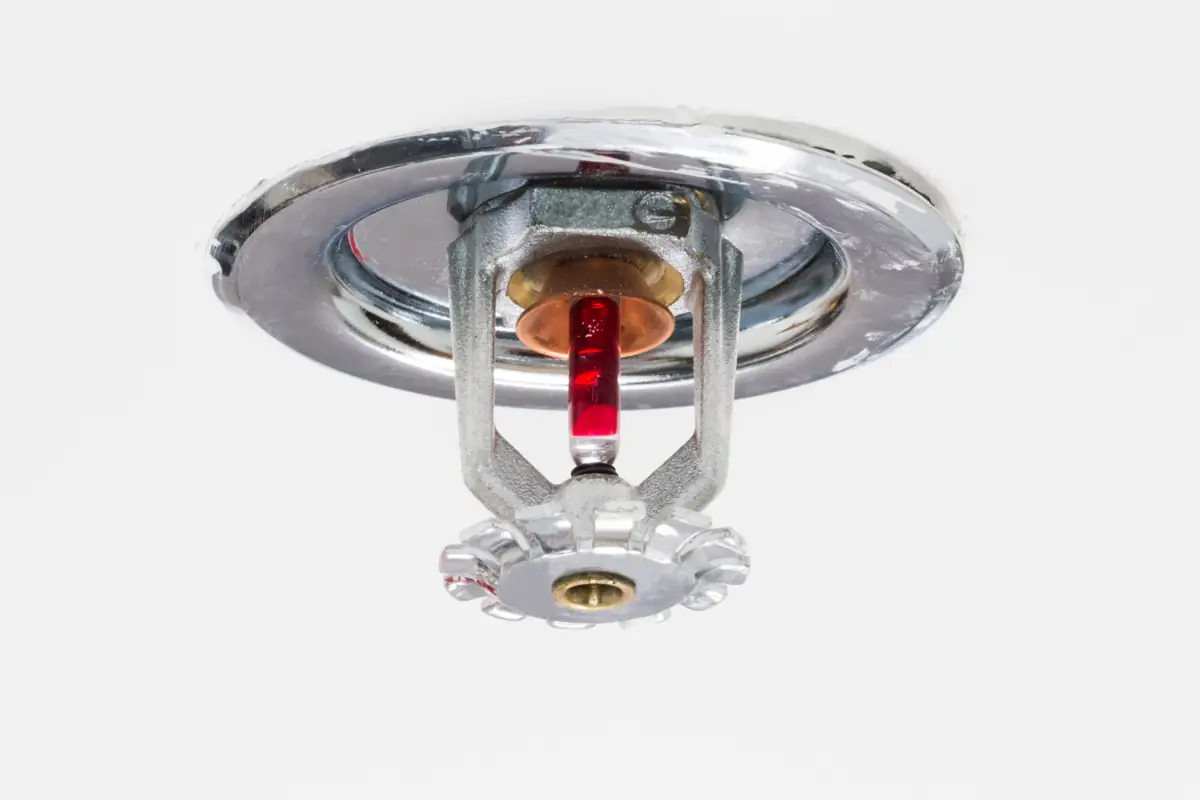
- If a sprinkler went off with no fire, call your alarm company or the fire department before shutting the sprinkler valve. Don't disable fire protection yourself unless they tell you to.
- Keep power off to wet areas until an electrician or the utility says it's safe.
- Photograph and video everything before anything is moved or thrown out.
- Get water extraction and drying started. Firefighting water soaks walls, floors and insulation fast, and wet materials grow mold.
- Secure the house if doors, windows or the roof were opened by firefighters.
- Report the claim and ask about additional living expenses if you can't stay there.
Is it covered?
Water used to put out a fire is usually treated as part of the fire loss and covered with it, minus your deductible.
A sprinkler that suddenly discharges, from a broken or frozen head, is usually covered as sudden and accidental water damage.
Things to watch
- Fire and water cleanup often need different specialists. Make sure both are in the estimate.
- Freeze damage to sprinklers in an unheated building can be excluded.
Why the water damage is often bigger than the fire
A fire hose can put a lot of water into a home in minutes, and it spreads into rooms the fire never reached. Drying those areas quickly keeps a contained fire from turning into a whole-house mold problem.
What the adjuster will look at
The fire report, photos of every affected room and the drying records. Ask for both the fire and the water damage to be written up, room by room.
Common questions
Does insurance cover water damage from putting out a fire?
Usually, as part of the fire claim.
Is an accidental sprinkler discharge covered?
Usually, if it was sudden, like a broken or frozen head in a heated building.
How soon should drying start?
As soon as the house is safe to enter. Mold can start in wet materials within 24 to 48 hours.